
Bird Migration on Marco Island: Winter Wildlife Awaits
If you visit Marco Island in winter, Bird Migration season is one of the island’s best-kept outdoor secrets. As temperatures drop farther north, shorebirds, wading birds, and waterfowl move south. As a result, Southwest Florida’s beaches, estuaries, and mangrove islands fill with life.
In this guide, you will learn where to see migrating birds, why winter birding matters here, and how to enjoy it responsibly.
Winter Migration: What Arrives and Where to See It
Marco Island sits along the Great Florida Birding and Wildlife Trail. This route is known for its rich habitats and year-round birdwatching opportunities. During winter, however, activity increases as northern species arrive to escape colder climates.
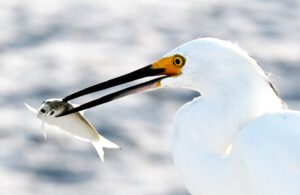
Along beaches and shallow flats, you can spot migrating ducks, plovers, terns, and wading birds. Because food is plentiful, birds often gather in visible numbers.

Nearby, the Ten Thousand Islands National Wildlife Refuge protects tens of thousands of acres of mangrove shoreline. During winter, this refuge becomes a key resting and feeding area. Species such as egrets, herons, ibis, and raptors concentrate in calm waters and tidal marshes from October through March.
Closer to town, Tigertail Beach connects open water, tidal flats, and shorebird habitat. Here, you can walk with binoculars and see both resident and migratory birds in a single visit.
Reviewer Tip: Early mornings and waning tides bring birds closer to shore, which makes viewing and photography easier.
Rookery Bay and Community Events
Each winter, the Rookery Bay Festival of Birds highlights migratory birds and regional wildlife. Held in January, the festival offers guided field trips by foot, kayak, and boat. These outings explore prime birding areas, including Corkscrew Swamp and the Ten Thousand Islands.
Beyond the festival, Rookery Bay itself spans more than 110,000 acres of protected estuary and mangrove habitat. Because of this scale, it supports a wide range of bird species throughout the winter season.
Meanwhile, quiet channels and salt flats stay active during cooler months. Food sources remain strong, and water levels support diverse birdlife. Consequently, sightings are frequent and varied.

How to Plan Your Bird Migration Visit
Winter birding on Marco Island works well for travelers who enjoy active outdoor time. In addition, it pairs naturally with kayaking, eco tours, and nature photography.
Guided wildlife tours often take you deeper into the Ten Thousand Islands or Rookery Bay. In these remote areas, birds experience less disturbance. As a result, encounters feel closer and more natural.
During winter, sightings may include sandpipers and plovers, along with pelicans and herons. You may also see raptors such as ospreys and bald eagles.
Before heading out, review local wildlife guidelines. Always respect roped-off areas that protect sensitive roosting zones. Finally, bring binoculars, sun protection, and light layers. These basics make early mornings and late afternoons more comfortable.


